

The hidden motives behind gambling Exploring the psychology of chance
The Allure of Risk and Reward
The thrill of gambling often stems from the intoxicating mix of risk and reward. This dynamic is deeply embedded in human psychology, where individuals are drawn to the prospect of winning big. The brain releases dopamine, a chemical associated with pleasure, reinforcing the behavior of taking risks. As players engage in games of chance, the anticipation builds, creating an exhilarating emotional rollercoaster that can be hard to resist. The excitement of potentially turning a small stake into a significant sum can create a powerful motivational force. Platforms like katsubet-canada.com/ offer varied gaming experiences that exemplify this thrill.

Moreover, this relationship between risk and reward is not merely about financial gain. Many gamblers report feelings of euphoria and satisfaction that come from the mere act of playing, regardless of the outcome. The excitement can become addictive, with players often seeking out these experiences to escape the monotony of everyday life. This psychological draw can manifest in various forms, from casual gaming to more serious gambling habits that can affect personal and social wellbeing.
Lastly, the perception of control plays a crucial role in the allure of gambling. Many individuals believe that they can influence outcomes through skill, strategy, or sheer luck. This illusion of control can lead to increased participation, as players often think they are just one lucky spin or hand away from a big win. It creates an environment where hope thrives, and for many, this feeling is a significant part of the gambling experience, driving them to engage more deeply in their pursuits.
The Role of Cognitive Biases
Cognitive biases significantly influence how gamblers perceive odds and outcomes. One common bias is the gambler’s fallacy, where individuals believe that past events can affect future results. For example, a player might think that if a slot machine hasn’t paid out in a while, it is “due” for a win. This misconception can lead to prolonged play and increased financial investment, as gamblers chase losses in hopes of achieving a big win based on flawed logic.
Additionally, confirmation bias causes individuals to focus on successful outcomes while ignoring losses. Gamblers often remember their wins vividly, reinforcing the belief that their strategies are effective, even when they consistently lose. This selective memory can create a distorted perception of reality, leading to continued gambling despite negative consequences. Understanding these biases is essential for recognizing how they impact gambling behavior and decision-making.
Moreover, the design of gambling environments often exploits these cognitive biases. Casinos utilize bright lights, engaging sounds, and strategically placed machines to create an immersive experience that keeps players engaged. These elements can amplify emotional responses and lead to prolonged gaming sessions, making it easy for gamblers to lose track of time and money. The interplay between cognitive biases and environmental factors helps explain the persistence of gambling behavior among players.
The Emotional Aspects of Gambling
Emotions play a critical role in gambling, significantly influencing decisions and behaviors. For many individuals, gambling serves as an emotional outlet, offering a temporary escape from stress, anxiety, or depression. The excitement of the game can provide a sense of relief, even if it’s just fleeting. However, this emotional connection can lead to unhealthy patterns, as individuals may turn to gambling as a primary coping mechanism for life’s challenges.
The interplay of emotions can also create a cycle of highs and lows. Winning can produce elation, while losses often lead to feelings of frustration or despair. These emotional fluctuations can drive players to continue gambling in search of the “high” from winning or to recoup their losses, further entrenching them in a potentially harmful cycle. Understanding these emotional drivers is vital for individuals to recognize when gambling may be negatively impacting their lives.
Furthermore, social factors, such as peer pressure or societal norms, can intensify emotional investments in gambling. In many cultures, gambling is viewed as a recreational activity, and the desire to fit in or impress peers can lead individuals to engage in more gambling than they might otherwise. This social aspect can exacerbate feelings of excitement and competition, further driving participants to pursue risky behaviors in gambling contexts.
The Impact of Technology on Gambling Behavior
Advancements in technology have transformed the gambling landscape, making it more accessible than ever. Online casinos, mobile apps, and digital payment methods allow individuals to gamble from anywhere at any time. This accessibility can heighten the allure of gambling, making it easier for individuals to engage without the traditional barriers of physical casinos. As more players turn to online platforms, the potential for compulsive gambling behaviors increases.
The proliferation of online gaming has also led to the development of highly engaging game designs that keep players returning. Features such as bonus rounds, free spins, and progressive jackpots enhance the excitement of gambling, providing players with immediate gratification. These elements can create a sense of urgency, pushing individuals to gamble more frequently and spend more money in pursuit of elusive rewards. The combination of technology and design serves to amplify the psychological motivations behind gambling.
Additionally, social media and online communities can influence gambling behavior. Players often share their successes and strategies online, creating a sense of community and camaraderie. However, this can also lead to unhealthy comparisons, where individuals may feel pressured to gamble more to match the perceived success of others. The technological landscape not only changes how people engage with gambling but also shapes their motivations, reinforcing existing psychological patterns and potentially leading to problematic behavior.
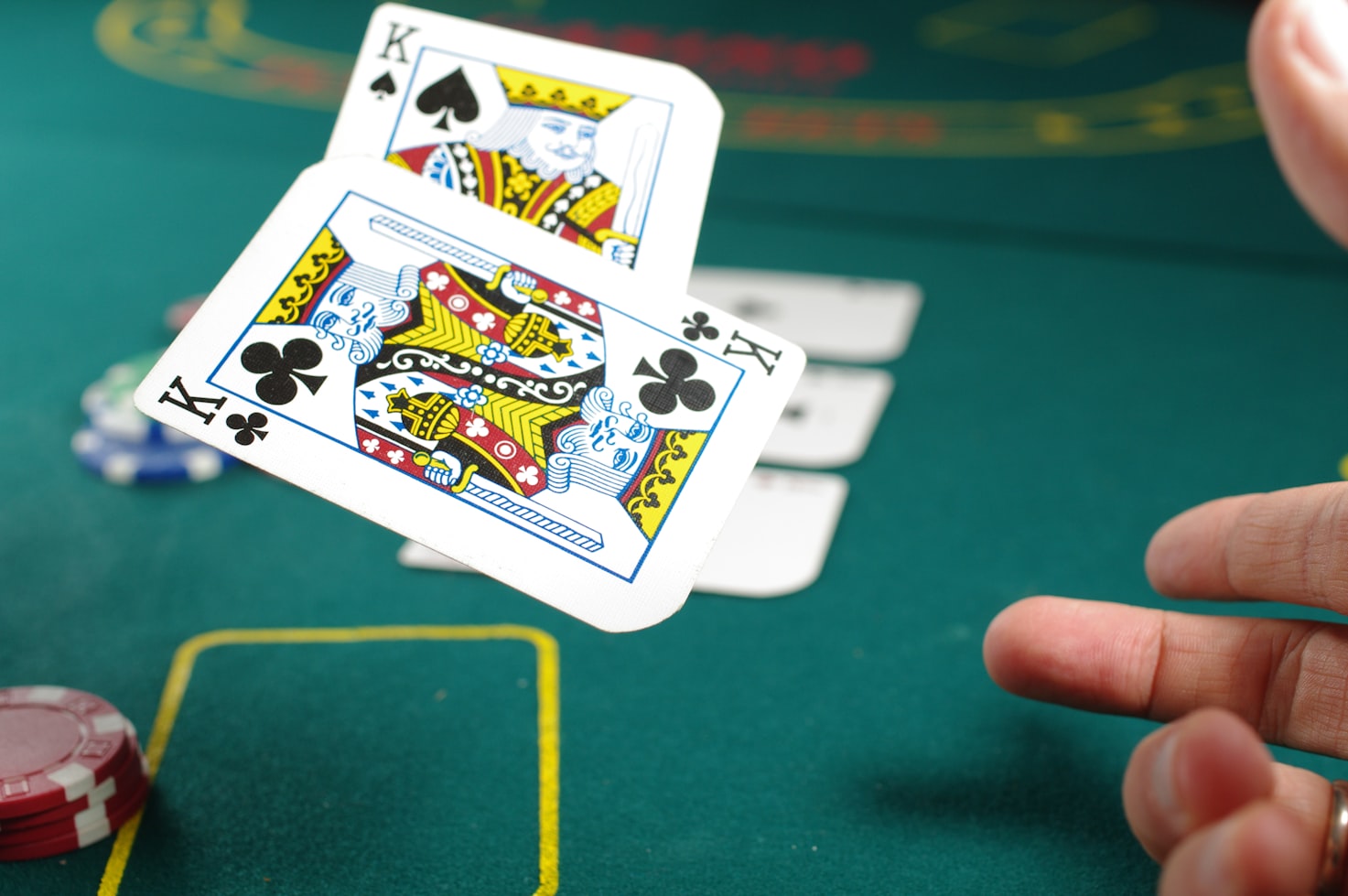
Gambling at Katsubet Casino
Katsubet Casino serves as a prime example of the evolving online gambling landscape, catering specifically to Canadian players. With over 7,000 games from top providers, it offers an extensive selection that appeals to a broad audience. Players can experience the thrill of chance in a secure and engaging environment, enhanced by generous welcome bonuses and promotional offers. This platform exemplifies how online casinos harness technology to create an enticing experience for players.
The user-friendly interface of Katsubet Casino, combined with various banking options, including cryptocurrency and Interac withdrawals, provides a seamless gambling experience. This ease of access can amplify the hidden motives behind gambling, as players find themselves drawn into the vibrant world of online gaming. Moreover, the availability of round-the-clock customer support and a dedicated VIP program enhances the overall experience, encouraging continued engagement.
In conclusion, Katsubet Casino embodies the fusion of technology, psychology, and entertainment in the gambling sector. As players explore their motivations for engaging in games of chance, the platform provides a unique environment that highlights the thrill and complexity behind gambling behavior. Understanding these elements is essential for both players and industry stakeholders to promote responsible gaming practices while enjoying the excitement that gambling has to offer.